
7 Types of Homes to Finance
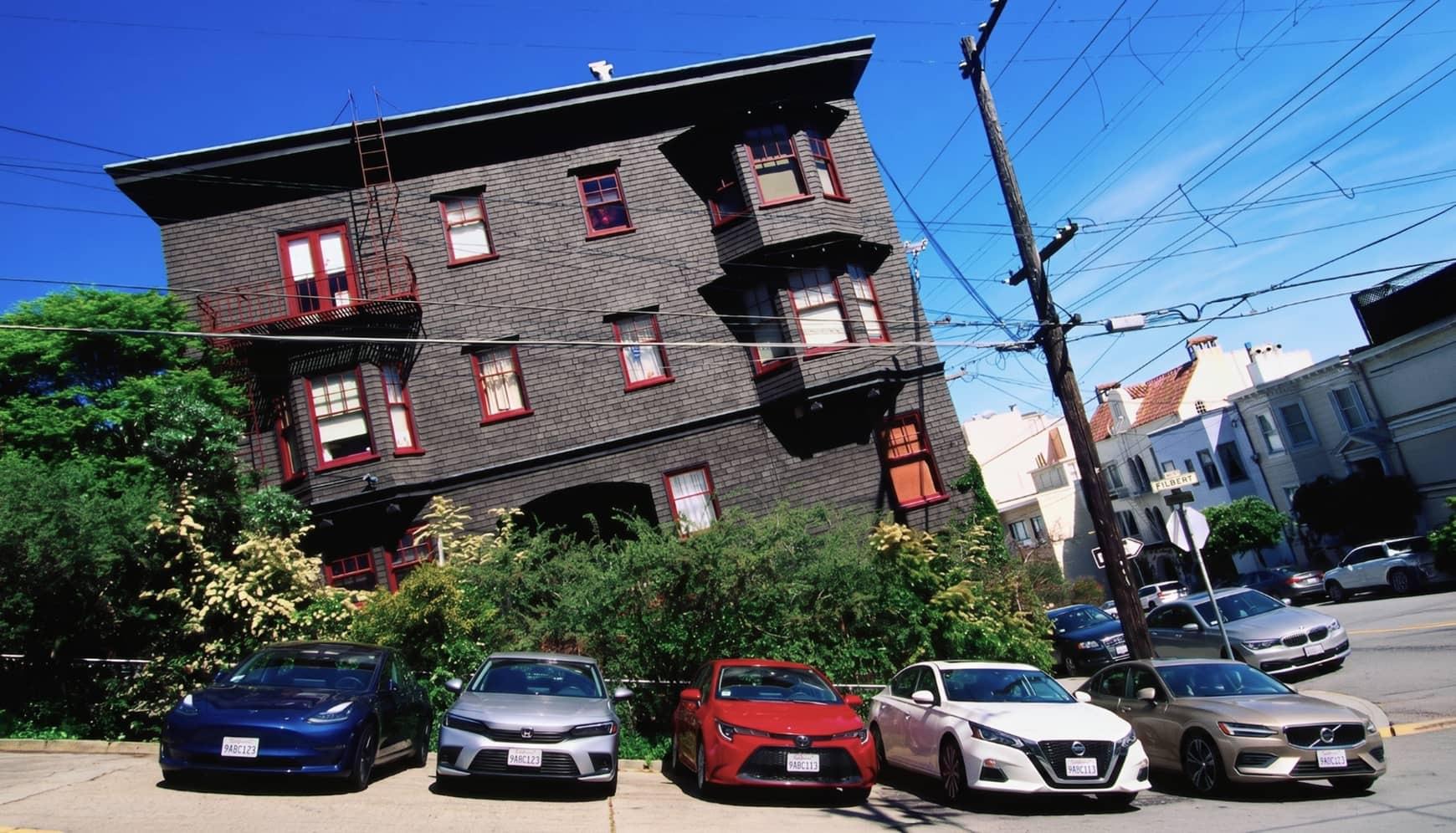
Getting ready to buy a home? It doesn’t have to look the way you expect it to. The traditional single-family property with a yard and porch isn’t the only option. From condos to multi-unit and manufactured homes, today’s buyers have more paths to homeownership than they may realize. And most importantly, Guaranteed Rate Affinity has financing answers to help find whatever’s right for you.
Here’s a quick look at seven different types of homes to finance, and how we could help.
1. Condos for low-maintenance living
If you’re not ready to mow the lawn every Sunday or shovel snow all winter, consider a condo. In many cases, condominiums offer a more affordable path to homeownership than the classic single-family property. Additionally, there are typically fewer maintenance responsibilities. Most communities offer amenities and exterior upkeep services, so homeowners can spend less time on chores and more time enjoying their space.
Some condos are eligible for FHA condo loans, which have lower down payment requirements than conventional loans. But don’t forget to keep homeowner association (HOA) fees in mind, which can add a significant monthly expense and vary widely by community.
2. Co-ops for buyers in the city
A co-op is a little different from traditional homeownership. Rather than buying a specific unit, you buy shares in a corporation that owns the entire building. Your shares give you the right to live in a particular unit, and the number of shares you own determines the size, location and features of your residence.
Co-ops are most common in bigger cities, and they’re often more affordable than condos. However, they usually have stricter approval requirements and community rules vs. other types of homes.
3. Planned unit developments (PUDs) for community amenities
Similar to condos, planned unit developments, or PUDs for short, feature shared amenities and common areas. They usually have HOAs, too. Besides residential units such as condos, townhouses and single-family homes, these communities often include commercial units. Plus, they usually have parks, playgrounds, pools or tennis courts.
4. Accessory dwelling units (ADUs) for multigenerational households
An accessory dwelling unit (AUD) is usually referred to as a coach house, guest house or backyard cottage. These smaller living spaces are a flexible addition to existing properties, and they’re a great fit for aging parents or adult children coming back from college. They’re a smart way to accommodate more people without having to purchase a larger home.
If you’re considering building an AUD, Guaranteed Rate Affinity’s renovation specialist could help you explore financing options for construction and home improvements.
5. Manufactured homes for affordability
After 1976, mobile homes were reclassified as manufactured homes. With the new name came a new set of quality standards regulating heating, plumbing, air conditioning and electrical wiring. As a result, today’s manufactured homes are a far cry from the outdated stereotypes. Many feature modern layouts, updated finishes and in-demand amenities — without stretching the budget.
6. Multi-unit developments for rental income potential
A great way to get a return on your investment is by considering a multi-family property with two to four units. You can live in one unit while renting out the others, which can help cover your mortgage, property taxes or maintenance expenses. Meanwhile, you’re building equity every month. It’s a win-win!
Interested in generating rental income to help pay your monthly bills? Guaranteed Rate Affinity has a conventional loan program designed specifically for multi-unit financing.
7. Detached condominiums for added privacy
Detached condos offer the best of both worlds: a private, standalone home with some of the maintenance and shared-community benefits of a condo. These properties look like traditional houses, but they’re legally classified as condos. These are typically located in gated neighborhoods or planned communities.
Detached condominiums are usually financed the same way as other primary residences, making them a seamless option for buyers who want more space and privacy with less upkeep.
Don’t forget: Different properties may require different financing
Not every property qualifies for the same loan programs. If you’re buying a condo, co-op, manufactured home or multi-unit property, financing requirements vary. Additionally, occupancy requirements, HOAs and property classifications can shape your options.
That’s why it’s important to work with a lender who understands the nuance of each situation. Ready to get matched with the right loan for you? Speak with one of our loan experts to uncover all of your options. With access to over 150 loan products, we’ve got you covered.
Applicant subject to credit and underwriting approval. Not all applicants will be approved for financing. Receipt of application does not represent an approval for financing or interest rate guarantee. Refinancing your mortgage may increase costs over the term of your loan. Restrictions may apply.
All information provided in this publication is for informational and educational purposes only, and in no way is any of the content contained herein to be construed as financial, investment, or legal advice or instruction. Guaranteed Rate Affinity does not guarantee the quality, accuracy, completeness or timelines of the information in this publication. While efforts are made to verify the information provided, the information should not be assumed to be error-free. Some information in the publication may have been provided by third parties and has not necessarily been verified by Guaranteed Rate Affinity. Guaranteed Rate Affinity its affiliates and subsidiaries do not assume any liability for the information contained herein, be it direct, indirect, consequential, special, or exemplary, or other damages whatsoever and howsoever caused, arising out of or in connection with the use of this publication or in reliance on the information, including any personal or pecuniary loss, whether the action is in contract, tort (including negligence) or other tortious action.